
As individuals enter their golden years, the concept of retirement is undergoing a profound transformation. Rather than viewing later life as a period of retreat or slowdown, today’s older adults are embracing active, purpose-driven lifestyles. This generational shift has sparked a significant rise in the popularity of independent living options designed specifically for seniors seeking freedom, security, and enrichment.
Modern retirees are increasingly rejecting traditional care models in favor of environments that prioritize personal autonomy while offering thoughtful assistance when desired. Independent living communities provide the ideal balance between private living and vibrant community engagement. Understanding why this living arrangement is expanding so rapidly highlights how older adults are taking charge of their health, happiness, and future peace of mind.
1. Redefining Retirement Through Autonomy and Active Living
One of the primary drivers behind the rise of independent living is the desire among older adults to maintain control over their personal schedules and lifestyle choices. Modern retirees do not want their daily routines defined by physical limitations or heavy household demands. Instead, they seek living options that empower them to wake up each morning with a sense of purpose, whether that involves pursuing creative arts, engaging in lifelong learning, or traveling without worry.

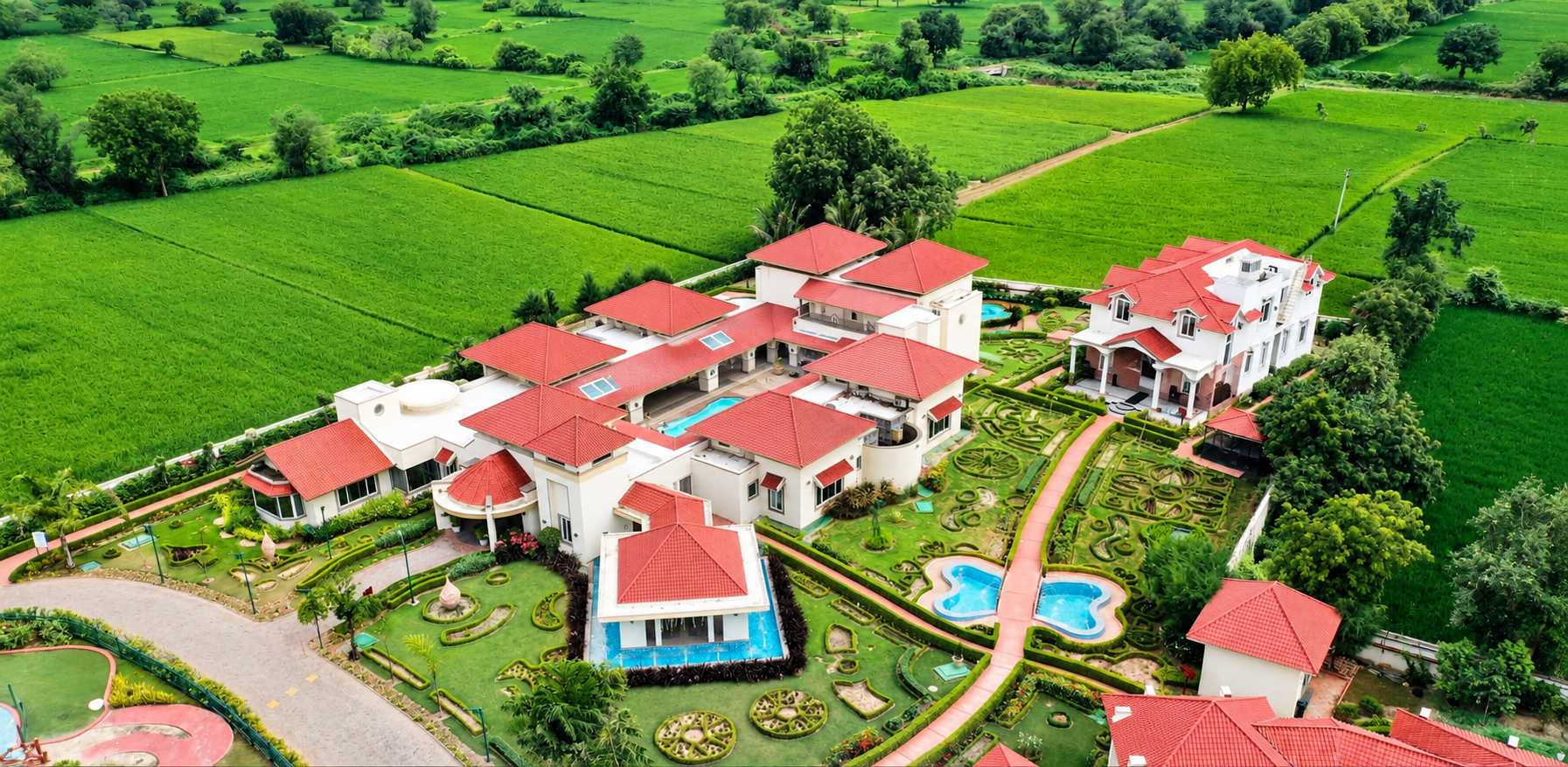
This emphasis on dignity and personal choice has completely reshaped modern senior housing options across the globe. For families researching these modern options, understanding how Kamdhenu Retreat is old age home for senior citizens focused on active wellness helps illustrate how contemporary communities seamlessly combine comfortable accommodations with independence. By offering flexible living arrangements, these communities allow seniors to enjoy their privacy while staying connected to a supportive environment.
2. Eliminating Household Maintenance and Daily Chores
Maintaining a traditional single-family home becomes increasingly challenging and stressful with age. Routine maintenance tasks such as repairing roofs, manicuring lawns, painting exterior walls, and fixing unexpected plumbing issues require substantial time, energy, and financial resources. For many older adults, the physical effort required to keep up a house can eventually detract from their overall quality of life.
Independent living communities eliminate these burdens by providing comprehensive property maintenance, landscaping, and housekeeping services. Seniors no longer have to worry about seasonal home repairs or strenuous yard work. Reclaiming these hours allows residents to redirect their energy toward meaningful hobbies, physical wellness, and relaxing leisure pursuits.
3. Combating Social Isolation Through Community Belonging
Social isolation is one of the most significant challenges facing older adults who live alone in standard residential neighborhoods. As friends relocate and mobility changes, seniors often find themselves spending extended periods without meaningful social interaction. Prolonged loneliness can negatively impact emotional well-being, cognitive health, and overall longevity.
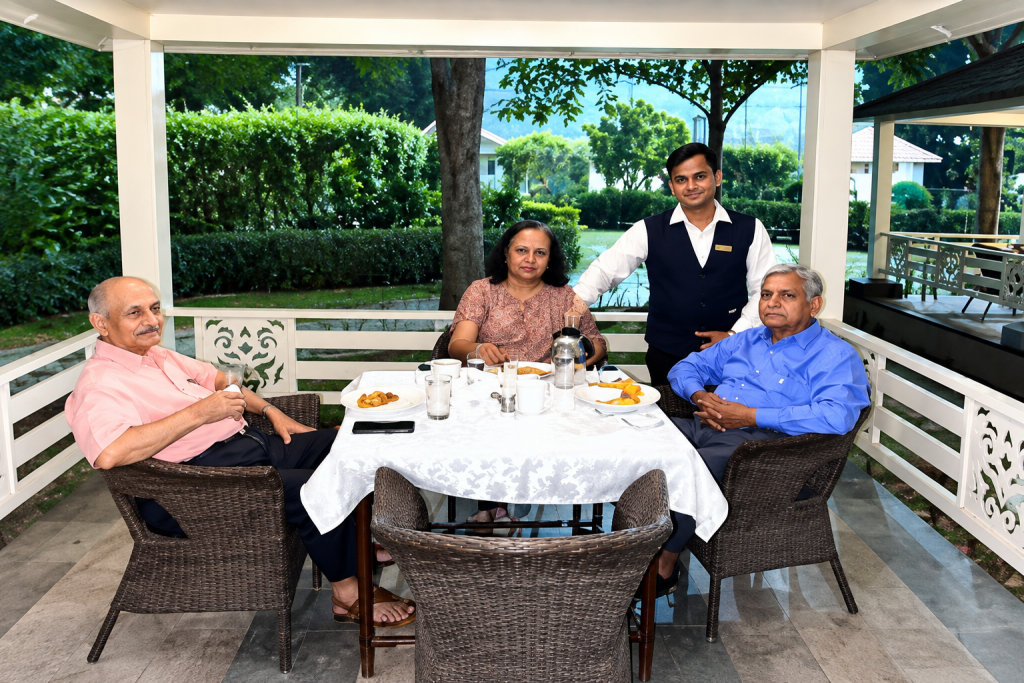
Independent living environments actively resolve this issue by cultivating inclusive, vibrant peer communities right outside every resident’s front door. Through organized social gatherings, cultural outings, hobby groups, and shared dining experiences, seniors naturally build lasting friendships. Having a warm network of peers nearby ensures that emotional encouragement and companionship are always within reach.
4. Prioritizing Health, Mobility, and Physical Fitness
Staying physically active is crucial for preserving mobility, balance, and independence in senior years. However, maintaining a consistent fitness routine at home can be difficult without access to specialized facilities or guidance. Independent living communities
address this need by embedding comprehensive wellness programs into their daily offerings.
Residents benefit from tailored exercise classes, low-impact yoga sessions, swimming facilities, and scenic walking trails designed with safety in mind. Fitness specialists and wellness staff help residents maintain their physical strength in an encouraging environment. These proactive health initiatives enable seniors to maintain their vitality and prevent age-related physical decline.
5. Built-in Safety Features and Emergency Assistance
Safety concerns represent a major factor for older adults and their families when evaluating living arrangements. Traditional homes often feature architectural barriers such as steep staircases, high bathtub walls, and narrow doorways that increase the risk of accidental falls and injuries.
In contrast, independent living communities feature age-friendly design principles throughout their facilities. Features like grab bars, step-free walkways, well-lit hallways, emergency call systems, and 24/7 security personnel provide continuous protection. Knowing that professional support is immediately accessible during an emergency offers unmatched reassurance to residents.
6. Nutritious Culinary Services and Dining Convenience
Preparing balanced meals three times a day often becomes a tedious chore for older adults living on their own. Shopping for groceries, cooking, and cleaning dishes can lead many seniors to skip meals or rely on convenient but nutritionally lacking food options. Proper nutrition, however, remains essential for sustaining energy and managing health conditions.
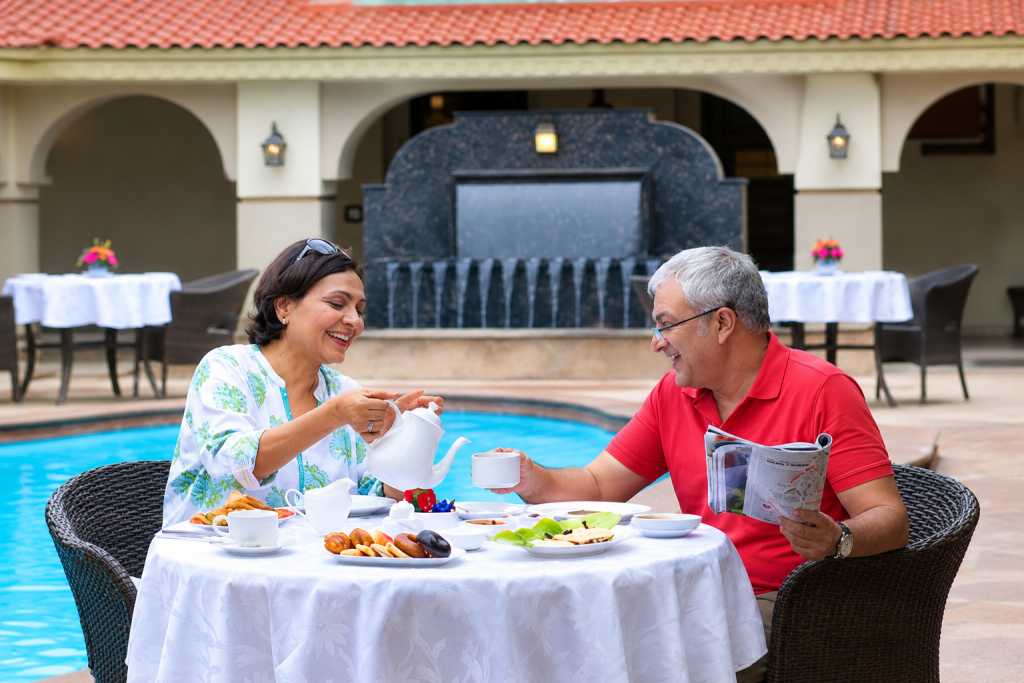
Independent living communities solve this by offering chef-prepared dining options along with essential amenities that make everyday life more convenient for residents. These services cater to diverse dietary preferences and nutritional requirements while reducing the effort involved in grocery shopping, cooking, and cleaning. Residents can enjoy flavorful, healthy meals served in welcoming communal dining rooms, turning everyday dining into a comfortable and enjoyable social experience.
7. Family Reassurance and Long-Term Lifestyle Stability
The decision to transition into independent living offers immense emotional relief to adult children and extended family members. Relatives often carry significant worry regarding their loved one’s daily safety, nutritional habits, and social isolation. When a senior resides in a secure, well-managed community, family members gain total confidence in their well-being.
Furthermore, independent living provides long-term stability and financial predictability through structured monthly arrangements. Seniors can establish a comfortable routine in a setting designed to support them as their preferences evolve over time. This stability eliminates the anxiety of future moves and fosters a harmonious environment for families to enjoy quality time together.
Conclusion
The growing preference for independent living among older adults reflects a positive evolution in how society approaches aging. Seniors today are choosing environments that honor their autonomy while eliminating the physical hazards, isolation, and domestic chores associated with maintaining a private residence. From enhanced social opportunities and wellness programs to built-in safety features and fine dining, these communities provide a complete ecosystem for healthy, fulfilling living.
Ultimately, independent living empowers older adults to embrace their senior years with confidence, dignity, and joy. By making a proactive choice about where and how they live, retirees ensure that their golden years remain focused on personal growth, meaningful connections, and lasting peace of mind.
No responses yet